

What Happens After an Embryo Transfer
What happens to the embryo inside the womb
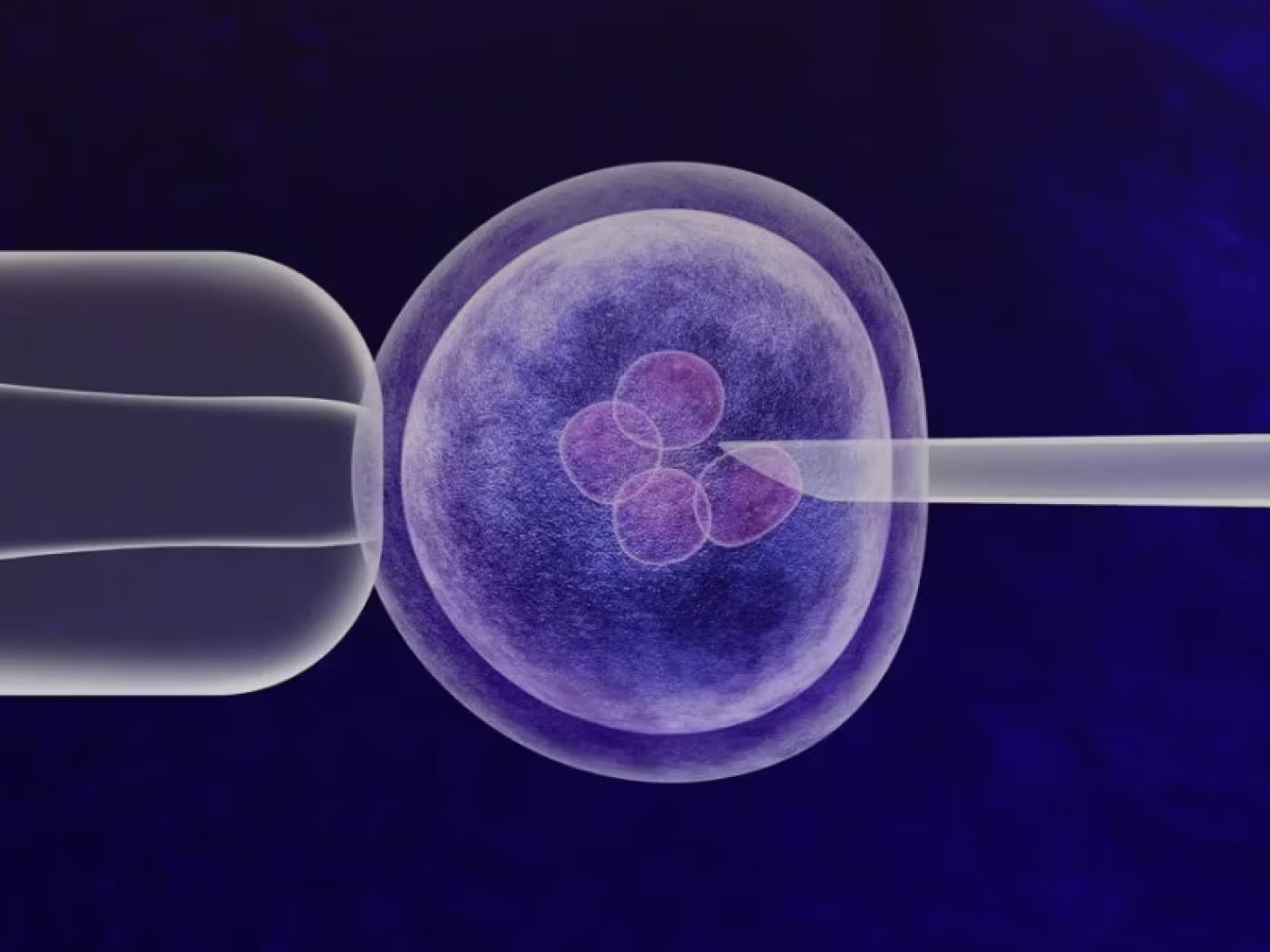
After embryo transfer, the embryo begins its most delicate journey — finding a place to implant in the uterine lining. It may take several days for this to happen. Here’s a simplified day-by-day guide:
- Day 1–2: The embryo continues developing if it wasn’t already a blastocyst. It adjusts to its new environment within the uterus.
- Day 2–3: The embryo hatches from its outer shell — an essential step before attachment.
- Day 3–5: Implantation begins as the embryo gently embeds itself into the endometrial tissue.
- Day 6–7: If implantation succeeds, the embryo starts secreting hCG, which is the hormone detected in pregnancy tests.
Whether you had a fresh or frozen embryo transfer, the process remains similar biologically. However, hormone support is often more intensive for frozen cycles, and transfer timing is carefully controlled to match your body’s readiness.
Early signs of implantation post embryo transfer
You may or may not experience symptoms. When they do occur, they’re usually mild and non-specific. Common early signs of implantation post embryo transfer include:
- Mild cramping or twinges
- Light spotting or implantation bleeding
- Increased cervical discharge
- Tender breasts
- Emotional changes or irritability
These symptoms often mirror PMS, making them hard to interpret. It’s important not to jump to conclusions. Tracking changes in a symptom journal may help, but avoid obsessing over every physical cue.
Day One After Embryo Transfer – What to Expect
The first 24 hours are typically uneventful from a biological standpoint. The embryo remains free-floating and has not yet attached. That said, your body is adjusting, and emotions can run high.
Here’s what day one after embryo transfer might feel like:
- Fatigue from hormone medication
- Mild bloating or abdominal tightness
- Light spotting, especially if your cervix was irritated by the transfer
- Heightened emotional sensitivity, ranging from anxiety to hopefulness
Many wonder whether they need strict bed rest. Studies show that complete bed rest offers no benefit. Moderate activity, such as gentle walking, light meals, and good hydration, is perfectly safe and may improve circulation.
What to avoid after embryo transfer:
- Heavy lifting (anything over 10 kg)
- Running, jumping, or strenuous workouts
- Sexual intercourse for at least 5–7 days (or until advised)
- Exposure to high heat — hot tubs, saunas, or long hot baths
- Alcohol, smoking, and caffeine (especially in high doses)
Use this day to focus on calm and positive mental health. Read a book, do breathing exercises, or meditate. Your mental and physical environment both matter at this stage.
Some clinics schedule follow-ups quickly; others ask you to wait until the pregnancy test. If you’re part of a Pregnancy Monitoring program, you may have additional hormone checks or early scans.
Symptoms After Embryo Transfer
Many people ask what symptoms to expect — and worry if they don’t feel anything. It’s entirely normal to have no symptoms at all after embryo transfer.
Common symptoms after embryo transfer:
- Breast soreness: Often due to progesterone
- Mild cramping: Can be implantation-related or hormonal
- Bloating: A common result of medications
- Mood swings or fatigue: From stress and rising progesterone
- Increased discharge: Hormonal effects on the cervix and vaginal environment
These can appear anywhere from day 2 to day 9 post-transfer. However, their absence does not mean failure. Conversely, strong symptoms are not a guaranteed indicator of success.
Less common symptoms that may appear:
- Increased urination: Due to hormonal changes or uterine pressure
- Heightened sense of smell or taste
- Mild nausea or food aversion (uncommon this early but possible if hCG rises fast)
These symptoms usually arise closer to day 6–9, when implantation is complete, and the body begins reacting to hCG production.
When symptoms need attention:
Contact your clinic if you experience:
- Heavy bleeding (soaking pads)
- Sharp or increasing abdominal pain
- Fever (above 37.8°C)
- Vomiting that prevents eating or drinking
These could indicate an infection, ovarian hyperstimulation syndrome (OHSS), or an early complication.
What to Do After Embryo Transfer
Diet, exercise and lifestyle adjustments
After embryo transfer, your body enters a hormonally intense and physically sensitive stage. While there’s no need for drastic changes, a few lifestyle tweaks can support implantation and early pregnancy development.
Nutrition plays a central role. A balanced diet helps regulate hormone levels and reduce inflammation. Focus on:
- Whole grains (brown rice, oats, quinoa)
- Leafy greens and colourful vegetables
- Iron-rich foods (lentils, spinach, lean meats)
- Healthy fats (avocados, olive oil, nuts)
- Hydration — aim for 1.5–2 litres of water daily
Avoid foods that could cause sudden blood sugar spikes (like sweets or white bread), as unstable insulin levels may affect uterine receptivity.
Exercise should be gentle. The goal is to maintain blood flow without overstimulating the abdomen or creating uterine contractions. Recommended:
- Short, daily walks
- Gentle stretching
- Prenatal yoga (with no twisting or abdominal pressure)
Avoid:
- High-impact cardio
- Lifting heavy weights
- Anything that strains your core
Sleep and rest are critical. Your body is working hard to support potential implantation, so aim for 7–9 hours of sleep per night and take breaks if you feel physically drained.
Stress management is another vital factor. Cortisol — the stress hormone — may interfere with reproductive hormones. Helpful strategies include meditation, journaling, nature walks, or simply avoiding unnecessary obligations during the two-week wait.
Medications and when to contact your clinic
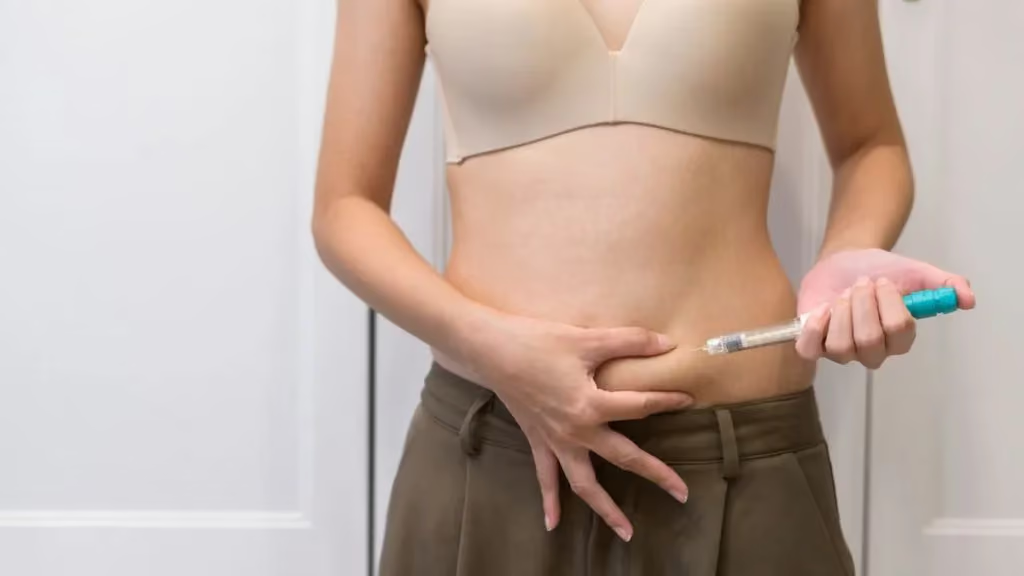
Most IVF patients continue hormonal support post-transfer. These medications create a uterine environment conducive to implantation and early embryonic development.
Common post-transfer medications include:
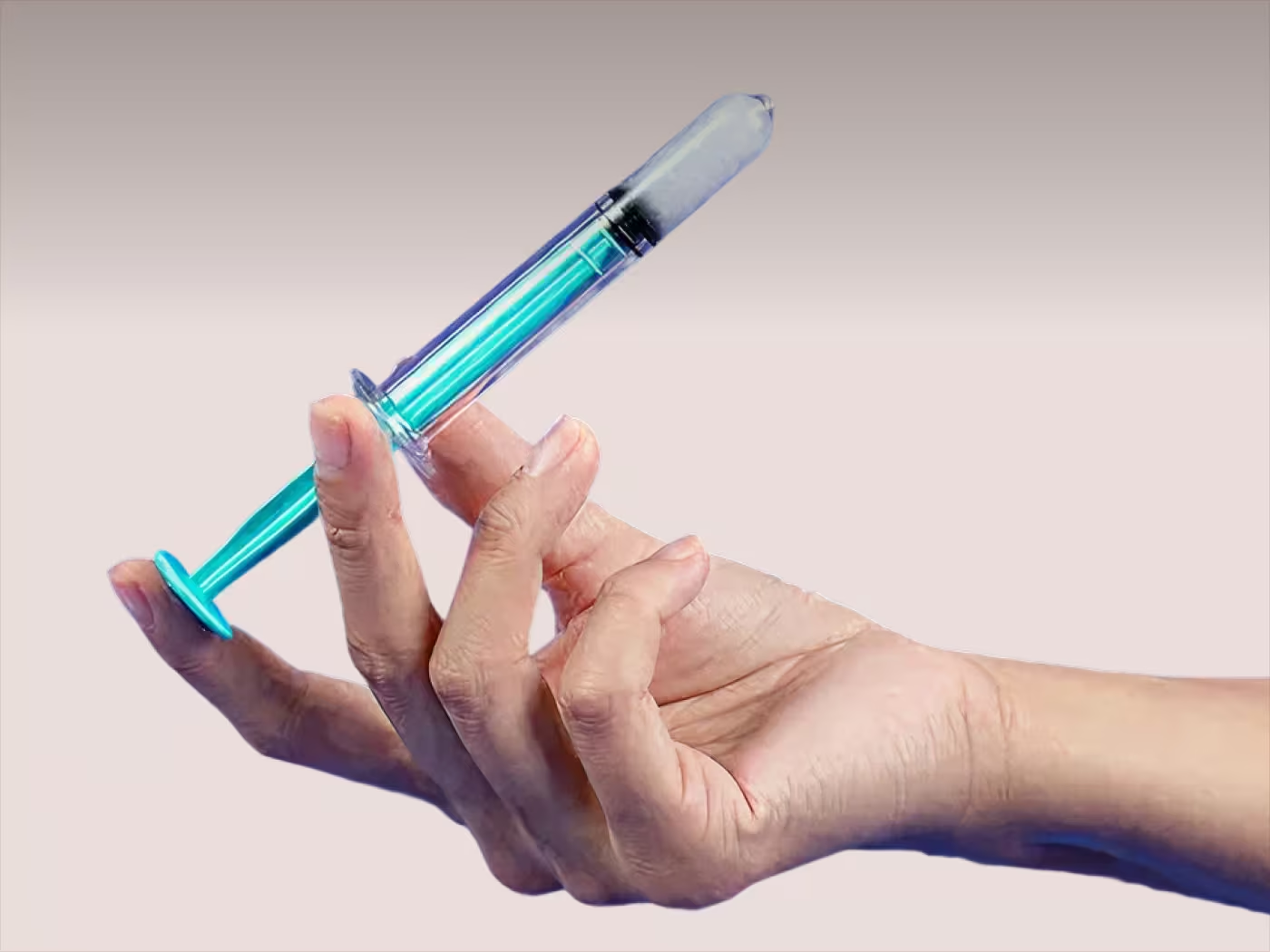
- Progesterone (injections, pessaries, or tablets)
- Estrogen patches or pills (especially for frozen cycles)
- Blood thinners like aspirin or heparin (in some cases)
- Vitamins: Folic acid, Vitamin D, prenatal multivitamins
Always follow the dosage and schedule prescribed by your clinic. Do not stop medications early, even if you suspect a failed cycle — many patients go on to test positive later than expected.
When to contact your clinic:
- Heavy vaginal bleeding (heavier than a period)
- Sudden bloating, pain, or shortness of breath (possible OHSS)
- High fever or flu-like symptoms
- Severe abdominal cramps or vomiting
- Signs of allergic reactions to medication
If you feel unwell or unsure, reach out. Most fertility clinics have early response teams or weekend staff to address concerns.
What not to do post embryo transfer
Despite myths circulating online, there’s no need to lie still for hours or avoid all movement. Still, there are activities worth limiting for at least a week post-transfer:
- No intercourse — it may trigger uterine contractions
- No baths, saunas, or hot tubs — high heat can affect uterine blood flow
- Avoid over-the-counter medication unless approved by your doctor
- No alcohol or recreational drugs — these disrupt hormonal balance
- Limit caffeine — one cup of coffee per day is typically safe, but best to reduce if possible
Also avoid activities that increase abdominal pressure — such as jumping, running, or abdominal workouts — during the early post-transfer phase.
How Is a Frozen Embryo Transfer Different from a Fresh One?
A frozen embryo transfer (FET) involves thawing and transferring previously frozen embryos. It differs from a fresh transfer, which happens in the same cycle as egg retrieval.
FET advantages:
- More control over cycle timing
- Reduced risk of ovarian hyperstimulation syndrome (OHSS)
- Higher implantation rates in some studies
- Better synchronisation between embryo stage and endometrial readiness
FET is often used when a fresh transfer isn’t ideal — for example, if the patient’s hormone levels are too high, or if genetic testing is required on the embryos. In fact, many clinics now opt for freeze-all protocols to maximise success.
Patients who undergo Egg Freezing for medical or personal reasons will always use frozen transfer protocols.
The main differences you’ll notice as a patient:
- Frozen transfers may require more medication
- There’s more flexibility in timing
- You’ll have fewer side effects from ovarian stimulation
That said, success rates between fresh and frozen transfers are now nearly equal — or even higher for frozen, depending on age and embryo quality.

When to Take a Pregnancy Test After IVF
The two-week wait can be psychologically exhausting. Many people want to test early, but doing so may create confusion or anxiety due to false results.
When is the right time to test?
- For day-5 blastocyst transfers, testing from day 9–11 post-transfer may yield accurate results
- For day-3 embryos, testing is more reliable after 12–14 days
- Blood tests (β-hCG) at your clinic are most accurate and detect pregnancy earlier than at-home kits
Even though you may be tempted to test early, most clinics recommend waiting 9–12 days post-transfer. Testing too early can lead to false negatives due to low hCG levels. Also, avoid testing before your clinic appointment if you’re prone to anxiety — an early negative doesn’t always reflect the final outcome.
For more help with timelines, check the IVF Due Date Calculator to understand when testing makes sense and how to estimate key milestones.
Avoid testing before day 7, as hCG may not be detectable and some medications (like hCG triggers) can create false positives.
Tip: Use early-result pregnancy tests if testing at home. For best reliability, take the test first thing in the morning when hCG concentration is highest.
Your clinic will usually schedule a blood test regardless of your home result. Continue all medications until your provider confirms the outcome and advises on next steps.
If your test is positive, congratulations — follow-up scans and bloodwork will confirm viability. If negative, your clinic will help you prepare emotionally and medically for your next step, whether that’s another embryo transfer or a treatment review.
Final Thoughts: What to Expect Post Embryo Transfer
The post-transfer period is emotionally charged and physically ambiguous. While you can’t control the outcome, you can support the process by creating a healthy, calm, and hormone-friendly environment.
Summary of what to do:
- Eat balanced, warm meals
- Move gently and rest often
- Avoid stress and monitor symptoms
- Take all medications as instructed
- Stay hydrated and prioritise sleep
- Maintain open communication with your clinic
Whether you had a fresh or frozen embryo transfer, remember that early symptoms aren’t definitive. Even if you feel nothing at all, success is still possible.
And if the outcome is not what you hoped, you’re not alone — many IVF journeys include multiple cycles before success. Each one offers valuable insights that improve your next attempt.
The goal is not just pregnancy, but a healthy one. Give your body, mind, and heart the space they need. Trust the process — and your support team.


.webp)




.webp)
.webp)
.webp)
.webp)
.webp)